
With the classic cool Central Otago nights and sunny days this time of year, our pastures are producing high-sugar spring grass. Great for growth, but risky for many horses!
Why Spring Grass Can Trigger Laminitis
When nights drop below about 5°C, the grass can’t use the sugars it produces during the daytime.
Those sugars build up, which means your horse may suddenly be eating a very sugary feed, even if the paddock doesn’t look lush.
This is especially dangerous for:
Ponies and easy keepers
Horses with Equine Metabolic Syndrome (EMS)
Horses with Cushing’s/PPID
Horses who are overweight or have ever had laminitis before
Insulin Testing: One of the Most Important Spring Check-Ups
Many cases of laminitis are actually caused by insulin dysregulation, meaning the horse’s body produces too much insulin in response to sugar.
These horses may look healthy, right up until they suddenly get sore feet.
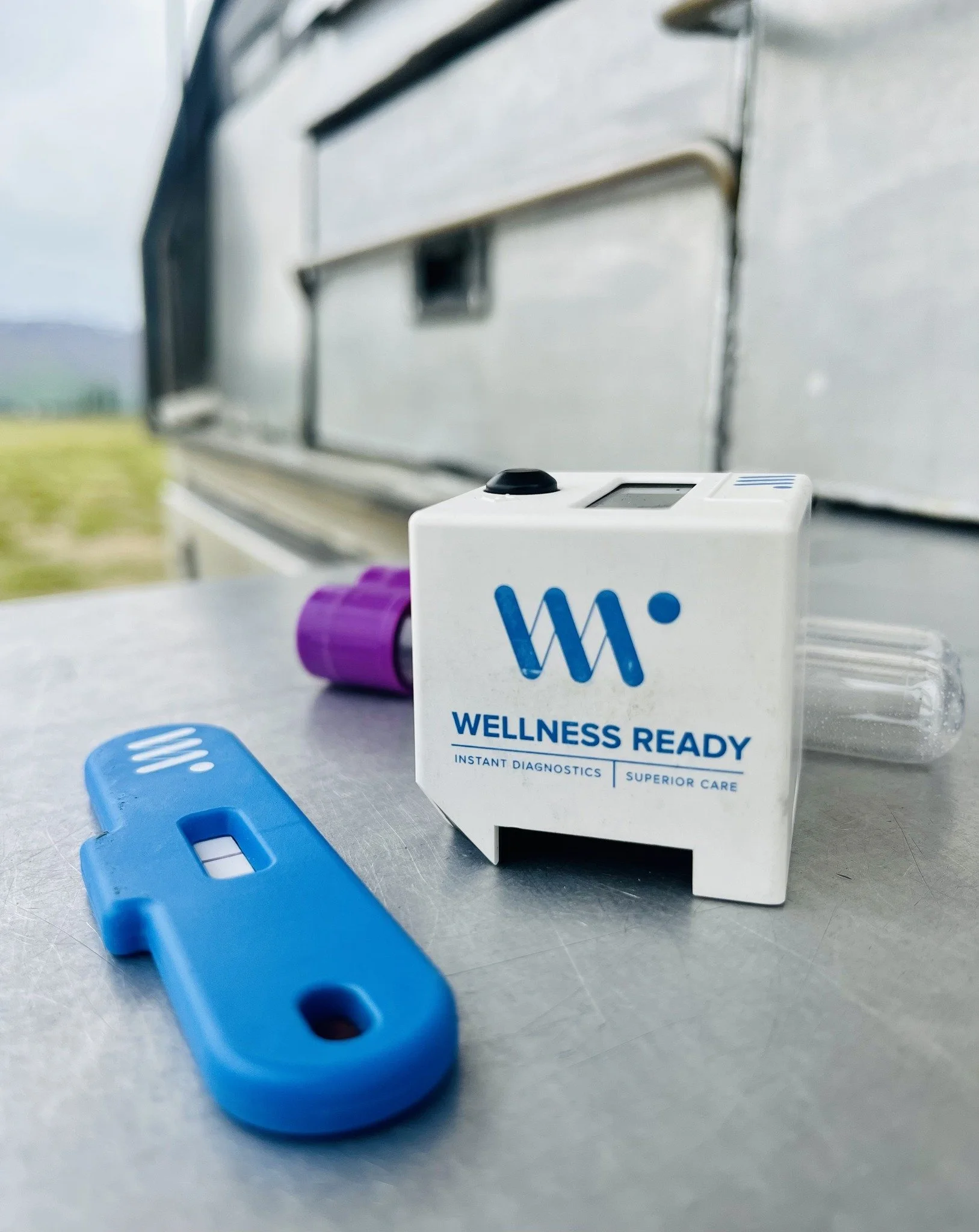
Central Lakes Equine offers fast, onsite insulin testing!
Our clinic has a roadside insulin analysis machine, meaning we can:
Test insulin right at your property
Give you results same visit
Make immediate, personalised management plans
Why test insulin?
Detects hidden metabolic issues before laminitis starts
Helps tailor grazing plans and diets
Gives a clear risk assessment for spring and summer grazing
We’re Here to Help
If you’d like to book an insulin test, assess your horse’s laminitis risk, and create a safe grazing and diet plan, then send us a message! We’re happy to help keep your horses safe this spring and summer.