
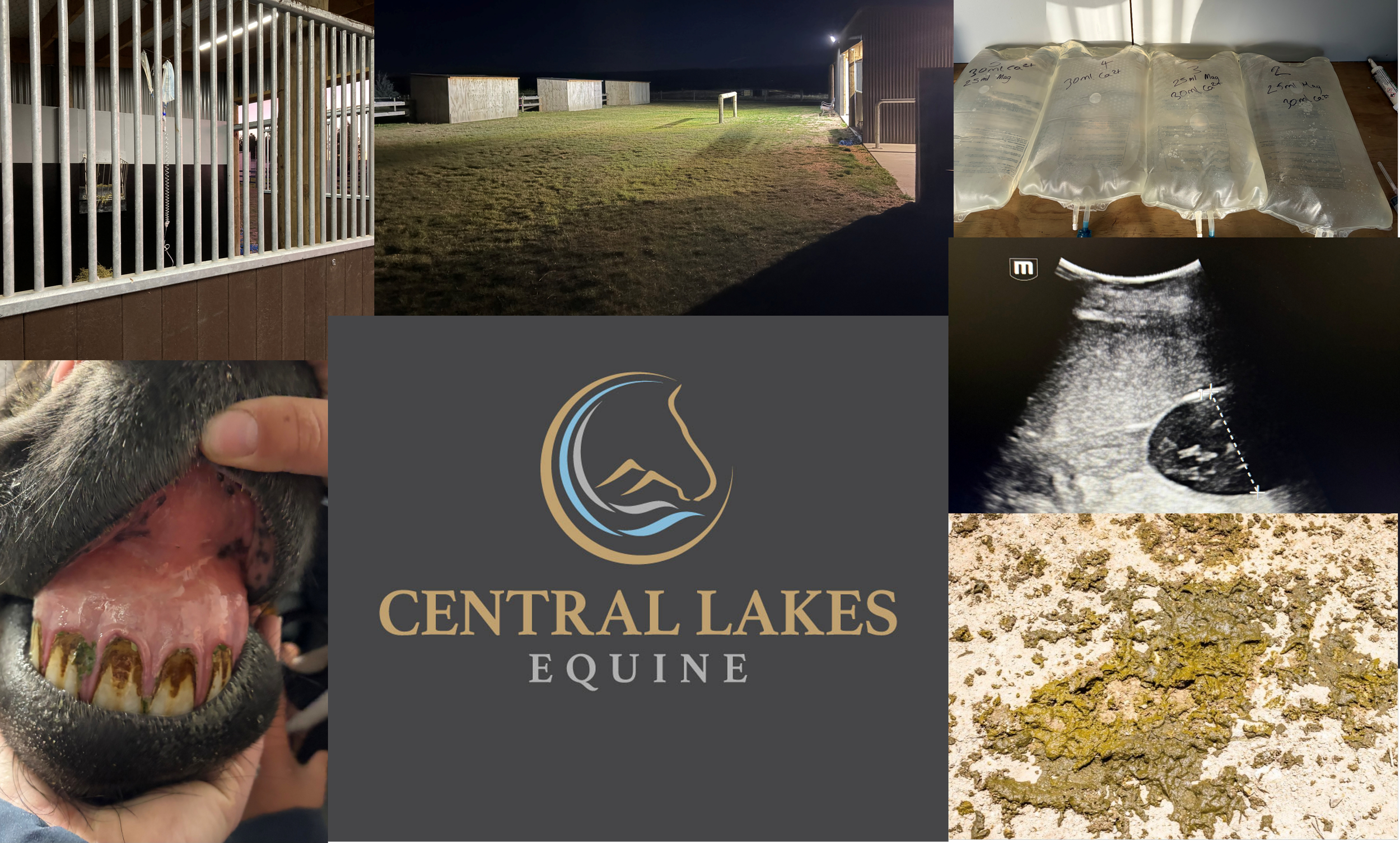
Colitis is inflammation of the horse's large intestine (colon), and it is one of the most serious conditions we treat in equine practice. A bright, healthy horse can become critically ill within hours — and even with the best intensive care, outcomes are never guaranteed.
Why it's so dangerous
The colon is the horse's main reservoir for fluid and electrolytes. When it becomes inflamed, the horse loses enormous volumes of water and protein through profuse, often watery diarrhoea. Dehydration, electrolyte derangements, profound protein loss and absorption of bacterial toxins (endotoxaemia) follow quickly — bringing with them the risk of shock, laminitis, and death.
Causes are varied —In many cases a definitive cause is never found.
Early signs to watch for:
Dullness, lethargy, or standing away from the herd
Reduced or picky appetite
Fever (often the very first indicator)
Mild colic — pawing, flank-watching, lying down more than usual
Reduced, softer, or unusually foul-smelling manure before diarrhoea begins
Bright, dark, or tacky gums
Reduced gut sounds
Once profuse watery diarrhoea develops, the horse is already seriously ill. This is an emergency.
Why the standard of care matters
With colitis, survival is dictated by how quickly treatment starts — and how deep the resources behind it run. Effective management means aggressive intravenous fluid therapy and round-the-clock support and monitoring. Protein loss can be so severe that plasma transfusions become necessary.
Central Otago is fortunate to have our dedicated equine hospital right here on your doorstep and round-the clock caring veterinarians - Lucky You 😉
If you notice any of the early signs above, don't wait for the diarrhoea to start. Early intervention is the single biggest factor in survival!!