
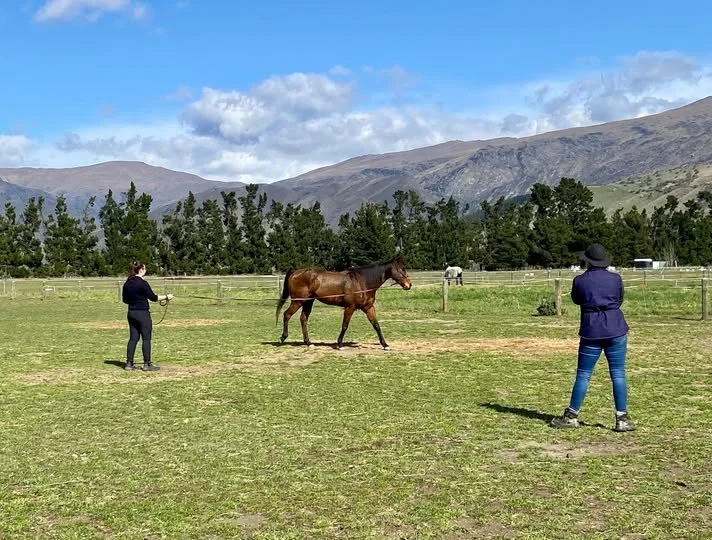
As we begin the new year, we’d like to highlight a less common but important cause of performance limitation in horses: fibrotic myopathy.
Fibrotic myopathy is typically associated with fibrosis of the semitendinosus and/or semimembranosus muscles, often following previous trauma, hematoma formation, or intramuscular injections. Affected horses are frequently sound at the walk, but demonstrate a characteristic abrupt cranial phase of the hind limb stride (“slapping” gait) at the trot or canter due to mechanical restriction rather than pain.
Clinical findings may include:
Reduced caudal phase of the stride
Palpable muscle firmness or asymmetry
Minimal response to flexion or nerve blocks
Diagnosis is based on gait evaluation and palpation, with ultrasound commonly used to identify areas of fibrosis and assess muscle architecture.
Treatment options depend on severity and chronicity and may include conservative management, targeted rehabilitation with mesotherapy and treatment with intravenous iodide infusions, shockwave therapy, or surgical transection (tenotomy/myotomy) in appropriately selected cases. Prognosis varies, with many horses returning to work following appropriate intervention.
As you plan for the year ahead, having subtle changes in your horse’s movement checked early can help prevent bigger issues down the road.
Here’s to a strong, sound New Year for you and your horses!